What are you looking for?
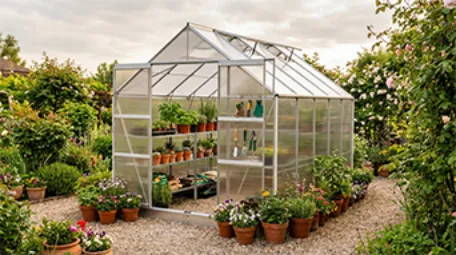
As people's pursuit of quality of life and closeness to nature continues to rise, outdoor greenhouses have become a popular choice in high-end residential courtyards, villa gardens, and commercial landscape projects. They not only effectively resist severe cold, wind, rain, and extreme weather but also create a stable temperature and humidity environment, allowing for gardening, relaxation, and even small gatherings to take place year-round, becoming a true "four-season garden".
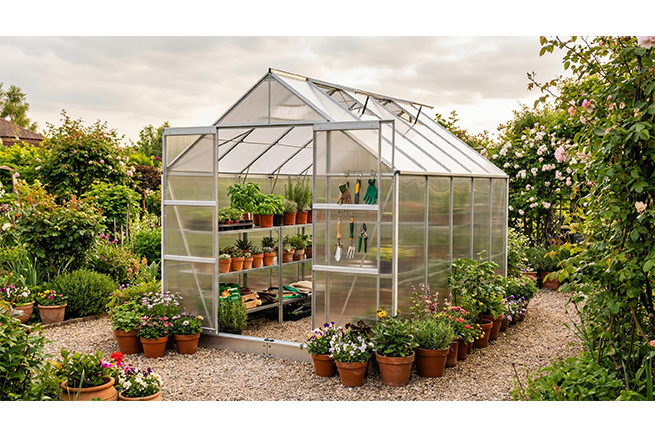
The first step in outdoor greenhouse design is to clarify its core function. Is it primarily for professional gardening, or does it also serve for leisure and family activities? The purpose will directly determine the size, orientation, and internal layout of the greenhouse. To achieve optimal lighting effects, it is recommended to arrange the greenhouse facing south or southeast to maximize the use of natural sunlight in winter. At the same time, consider the convenience of connection with the main building and the coordination of the overall courtyard landscape. The practical area usually starts from 15 to 50 square meters and can be flexibly expanded according to actual needs.
Structurally, outdoor greenhouses are mainly divided into two types: full-glass transparent and semi-enclosed. The full-glass design provides the maximum amount of light, suitable for high-demand gardening; the semi-enclosed type uses solid low walls combined with large areas of glass at the bottom to enhance structural stability and insulation performance. The roof is recommended to be designed with a sloped or arched shape to facilitate drainage, snow sliding, and even lighting. Cover materials can be selected from tempered hollow Low-E glass (excellent insulation effect) or high light transmittance polycarbonate PC boards (lightweight, impact-resistant, and cost-effective). The frame is recommended to use broken bridge aluminum alloy or hot-dip galvanized steel to ensure long-term weather resistance and structural safety.
Insulation is the core technology of greenhouse design. High-performance double or triple-layer hollow glass and broken bridge aluminum frames, combined with high-quality insulation materials such as polyurethane foam and extruded board, can significantly reduce heat loss in winter and block ultraviolet rays. In summer, shading systems must be configured, such as internal and external electric shading nets, automatic skylights, or intelligent shading curtains to prevent plants from being scorched by high temperatures. It is recommended to treat the ground with an insulation layer, and underfloor heating or heating pipe systems can be laid according to needs.
A reasonable temperature control and ventilation system directly determines the usage effect of the greenhouse. In winter, it can be matched with air source heat pumps, warm air blowers, or water circulation heating systems; in summer, rapid cooling can be achieved through openable skylights, side windows, and forced exhaust fans. Modern intelligent greenhouses can also install automatic temperature and humidity control systems, soil sensors, and smartphone app remote monitoring to achieve precise environmental management and significantly reduce manual maintenance costs.
Material selection needs to consider weather resistance, light transmittance, and economy. Aluminum alloy or steel structure frames are sturdy and durable, and PC boards and tempered glass are mainstream cover materials. The interior can be equipped with planting tables, shelves, irrigation systems, and rest areas, creating a comfortable and beautiful gardening space with green plants and soft lighting.
During construction, it is recommended to conduct professional on-site surveys and structural design, fully considering local wind load, snow load, and building codes. A solid foundation, waterproofing, and sealing work should be done to avoid water leakage and cold bridge phenomena. Choosing a professional team with rich experience in greenhouse construction can effectively ensure project quality and long-term stable operation.
An outdoor greenhouse is not only an upgrade of planting space but also an enhancement of lifestyle. It allows people to enjoy flowers and greenery in the cold winter and comfortably get close to nature in the hot summer. With the development of intelligent control technology and energy-saving materials, modern greenhouses are rapidly evolving towards low energy consumption, high automation, and ecological sustainability.