What are you looking for?
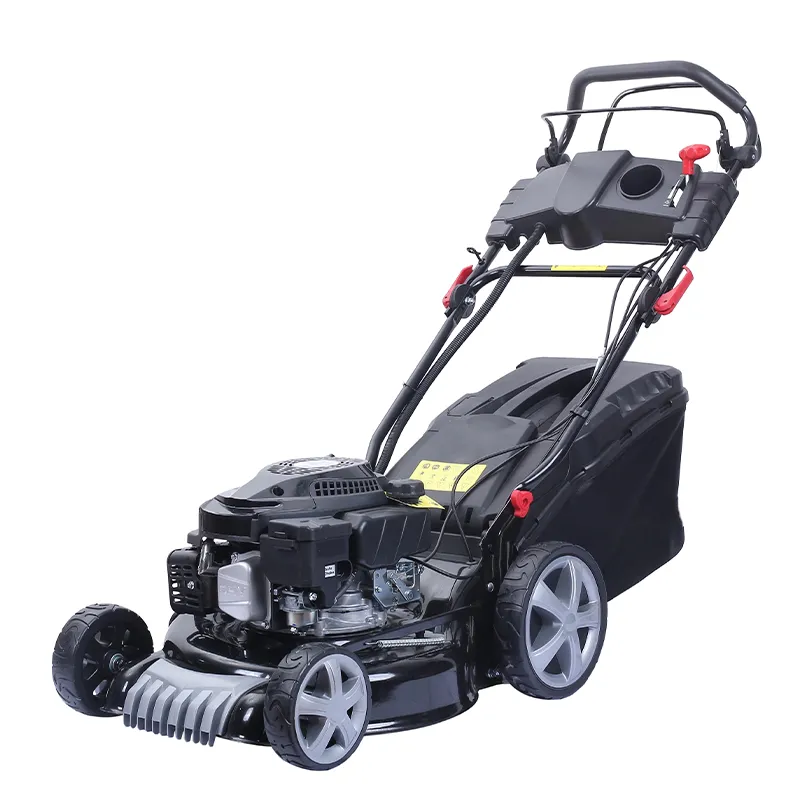
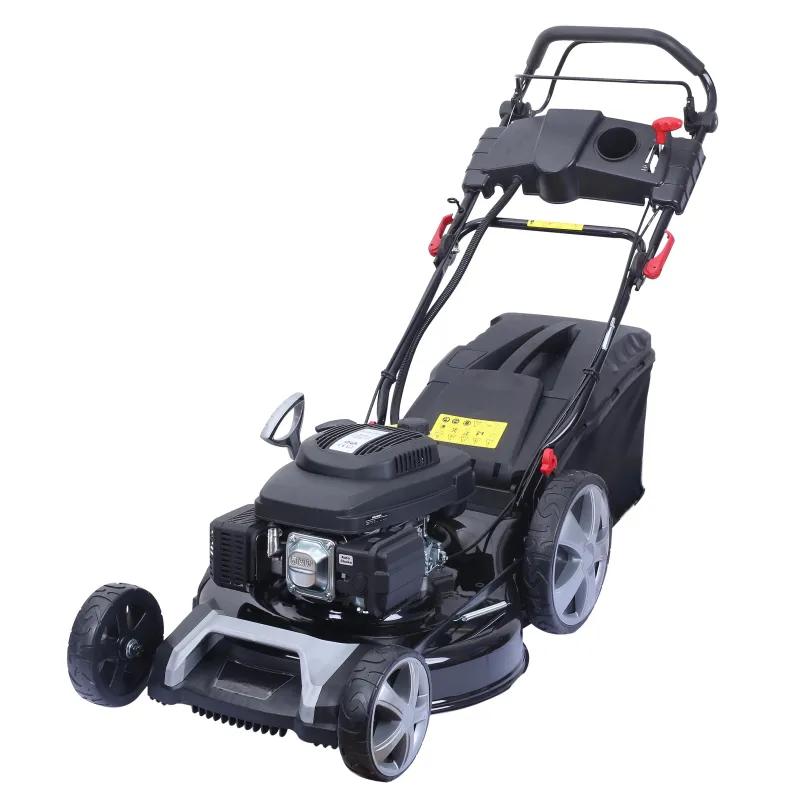
With the rapid development of the global socio-economy, countries have greatly increased their investment in garden construction, allowing us to appreciate the beauty of nature in bustling cities. This global commitment to "biophilic design" enables us to experience nature's healing power even amidst the hustle and bustle of modern cities. However, as the scale of green spaces and aesthetic demands rise, lawns have become the "green canvas" in urban environments. Maintaining large areas of lawns in world-class stadiums, corporate campuses, and public parks is no longer a task that can be accomplished manually. For this reason, the lawn mower, the undisputed "king" of garden machinery, has revolutionized the industry. Modern mowing technology is not just about trimming the lawn; it can also create various beautiful patterns—from the classic stripes of a football field to intricate checkerboard patterns—adding a professional and vibrant touch to gardens.

Generally speaking, using a lawn mower is not difficult, but achieving professional results requires a combination of skill and safety. Garden workers should carefully read the user manual before use and strictly adhere to safety operating procedures. Whether operating a zero-turn riding mower or a push rotary mower, maintaining environmental awareness is key. However, maintenance is often more important than use. During operation, the primary task is to focus on the health of the engine. If the mower stalls midway, there's no need to panic; a simple check often reveals minor issues like grass clippings clogging the deck or carbon buildup on the spark plug, which can usually be resolved on-site. Additionally, safety must be prioritized in adverse weather conditions like rain, snow, or hail. Operating on wet grass after rain can not only damage the turf's root system but also easily lead to the mower's discharge chute becoming clogged, causing mechanical failure.
During non-operational seasons, regular maintenance is the key factor in determining the equipment's lifespan. As the saying goes, "things rust if not used for a long time," and this is especially true for precision machinery like lawn mowers. Besides the engine, the condition of the blades is also crucial; dull blades tear the grass instead of making clean cuts, making the lawn prone to disease. Therefore, regular blade sharpening and balance checks are essential. When not in use for extended periods, the "dry storage" principle should be followed: be sure to empty the fuel, oil, or mixed oil from the tank and drain any residual oil from the carburetor. This effectively prevents fuel oxidation, as fuel degradation is the main cause of difficulties in starting the mower the following spring. By keeping the storage environment dry and clean and protecting the fuel system, you can ensure the lawn mower is always in a "ready-to-use" state, effortlessly handling the first mowing task of the new season.